
Manufacturer-Trained Detonation and Flame Arrestor Cleaning
Understanding the arrestor your equipment uses is critical to safe inspection and cleaning.
Having your detonation and flame arrestors cleaned, inspected, and serviced, by one of our certified repair facilities is key to ensuring you get the best longevity and safest continuous operation out of your equipment. Because we know when a unit has reached the end of its lifespan and needs to be replaced—and when it can be saved.
The Future of Combustion Technology Since 1984
Our equipment is inspired by and for the people who get their hands dirty.
Our detonation and flame arrestors’ innovative design allow for cleaning and restoration where other manufacturers’ arrestors fall flat by requiring replacement. Our equipment saves money, time, and even lives.
Tornado’s Detonation and Flame Arrestors Save You Money
Unlike ours, most arrestors can not be restored once they are clogged.
And unfortunately for you, the client, the cost of replacing them each time is significant.
Tornado’s detonation and flame arrestor designs allows for an internal cleaning success rate of nearly 100% for all elements that are brought to us for inspection and cleaning. Not only do you get professional servicing with the inspection process, but our ability to restore your arrestors to full, safe function means you receive tremendous cost savings. We can bring your existing element back to as-new condition for a fraction of the cost of a replacement arrestor.
Before and After Cleaning Photos
The following four sliders show examples of arrestors before and after being professionally cleaned. There’s also alternative accessible examples below.
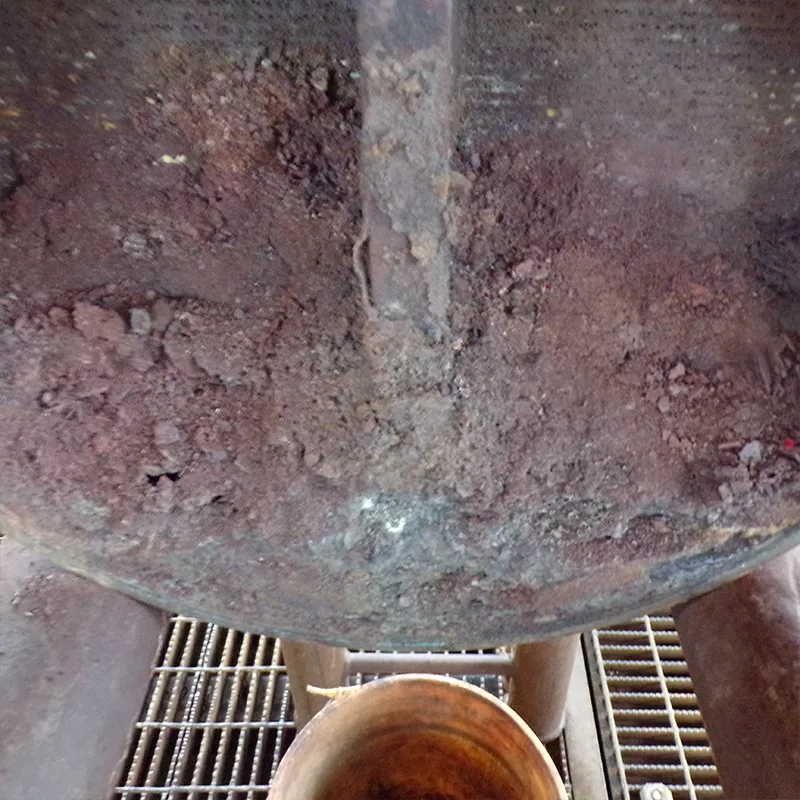
Arrestor before cleaning
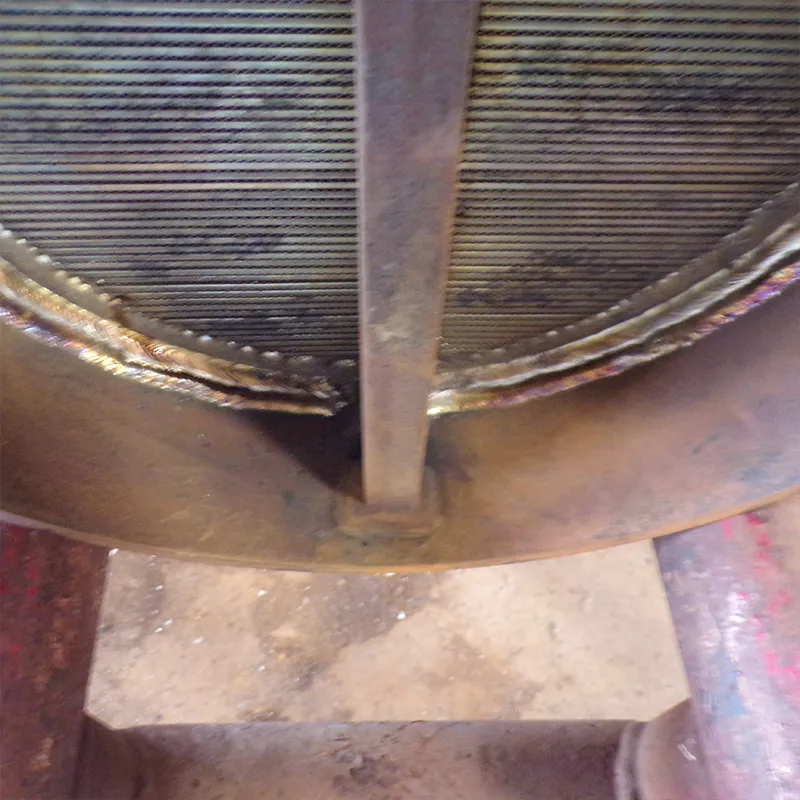
Arrestor after cleaning
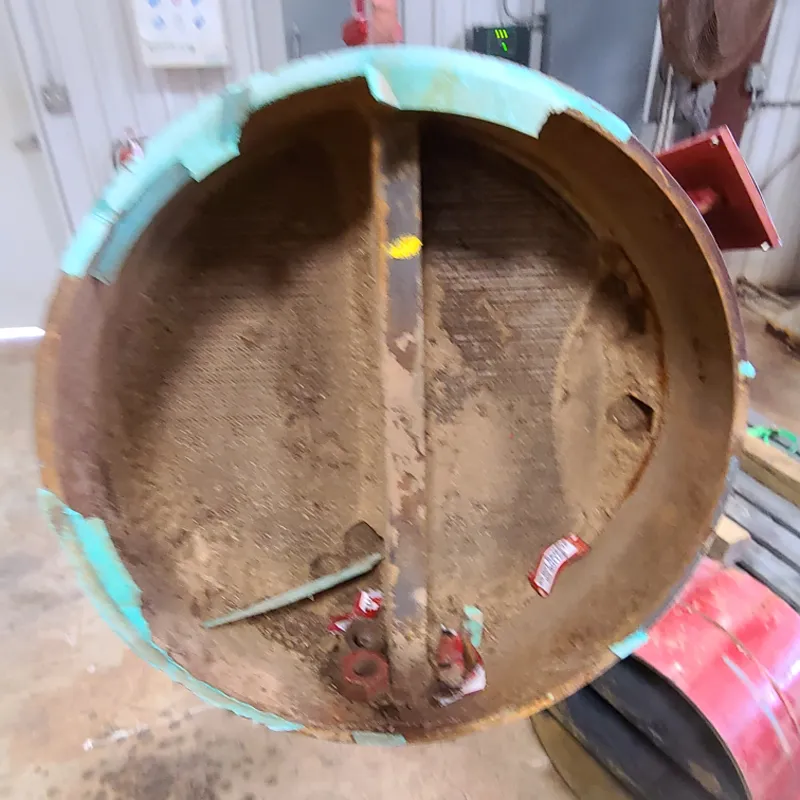
Arrestor before cleaning
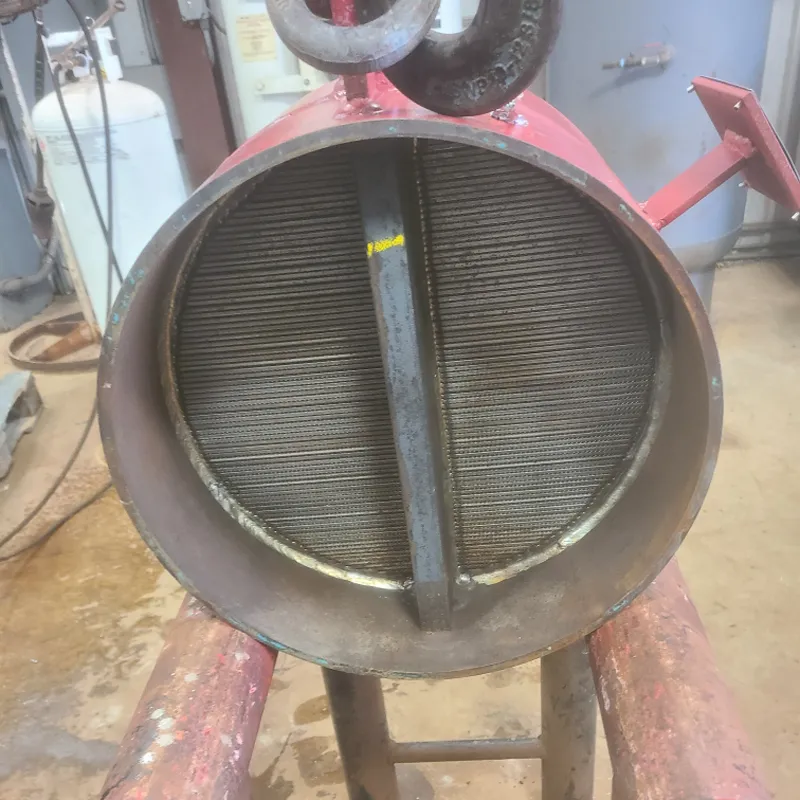
Arrestor after cleaning
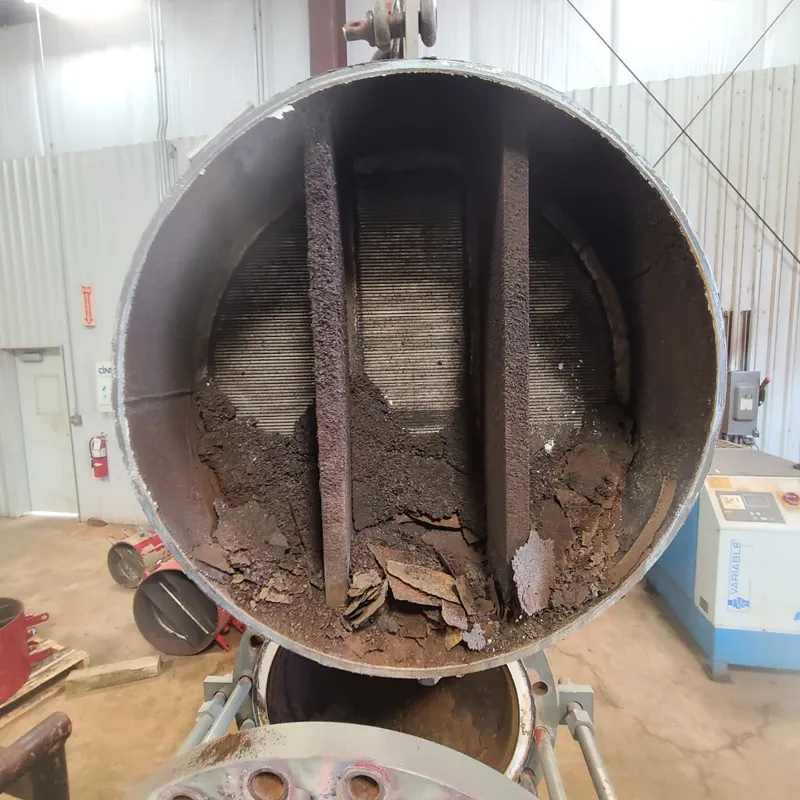
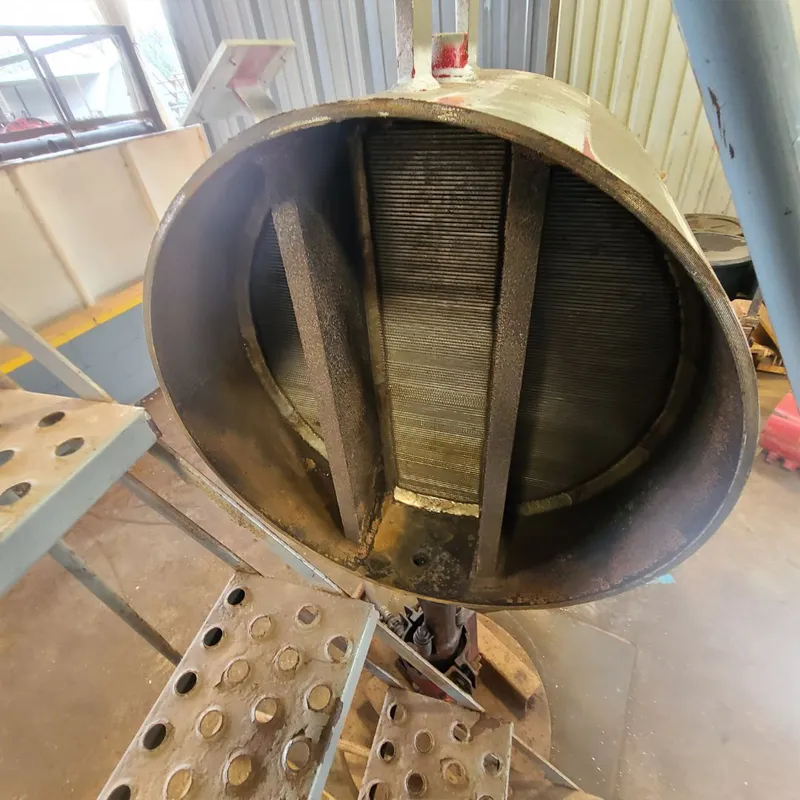
Arrestor before cleaning
Arrestor after cleaning
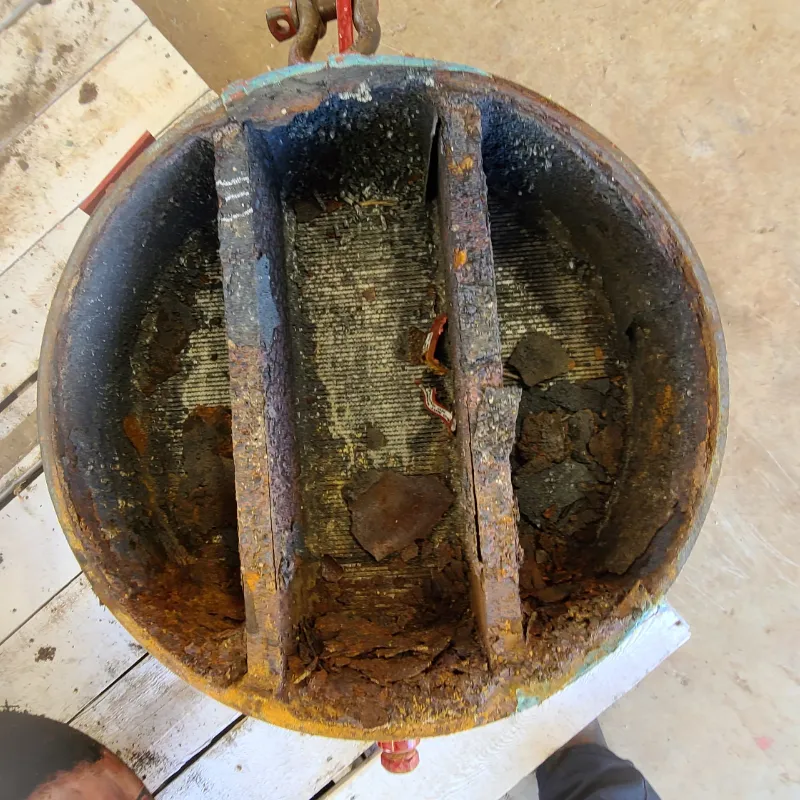
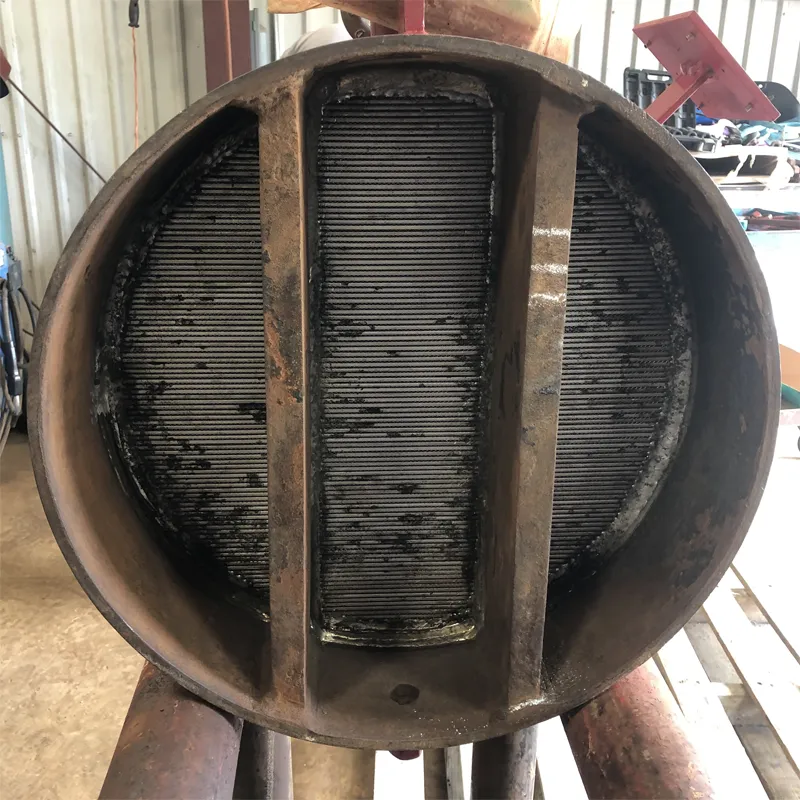
Arrestor before cleaning
Arrestor after cleaning
Why You Shouldn’t Clean Your Arrestor Yourself
A Detonation Arrestor is a safety device not a filter, attempting to clean a detonation or flame arrestor without proper training could be disastrous.
Washing it isn’t enough. Arrestors are an important safeguard against dangerous, catastrophic failure of your equipment in the event of flame propagation, which can result in explosions.
When you contact us, or one of the approved service providers we’ve trained on how to inspect and clean our equipment, you’ll receive professional, educated servicing with the inspection process. We never let equipment leave our shop unless we’re certain it will perform efficiently, effectively, and safely.
How Often Your Arrestor Should Be Cleaned and Inspected
Your detonation or flame arrestor should be cleaned and inspected at least once annually to comply with United States Coast Guard and Canadian Standards Association regulations.
If your unit is installed in a high-risk area, such as a refinery or petrochemical facility, or exposed to extreme temperatures or corrosive environments, we’d advise a manufacturer cleaning and inspection every 3-6 months to maintain optimal performance and ensure your workers’ safety.
How to Know When Your Detonation or Flame Arrestor Needs to Be Cleaned
Debris, residue, and corrosion can all contribute to arrestor clogging and failure.
Signs you are overdue for cleaning and inspection include visible rust, particulates, moisture, and other debris as well as unusual noises and vibrations. A clogged element will also restrict vapor flow, resulting in increased back pressure and process delays.
We recommend visually inspecting the arrestor yourself for early signs of clogging, but there are some cases where the need for cleaning is not immediately apparent without testing. This is why maintaining a regular maintenance schedule is critical to keeping your operations running and your equipment and workers safe.